PVC Cards
Using PVC and NFC cards for loyalty programs
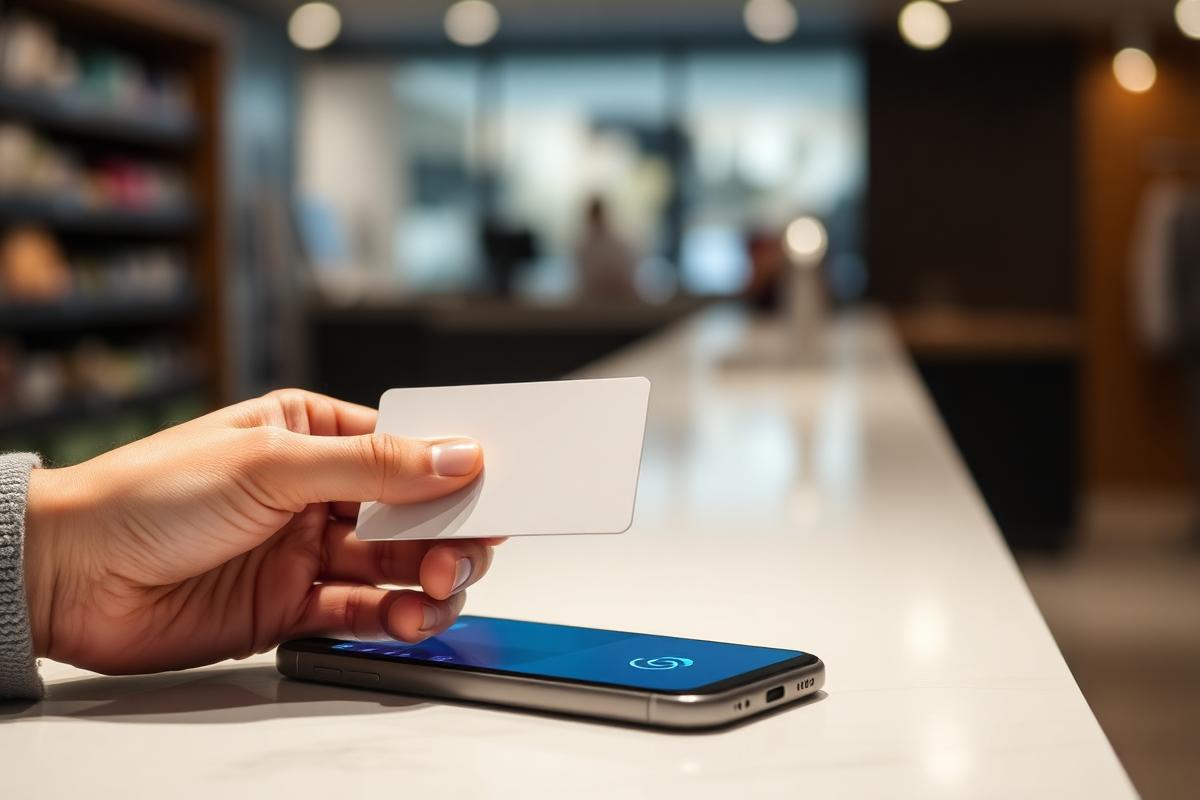
Loyalty programs live or die by friction. A punch card that gets left in the car, a rewards app that requires yet another login, a paper voucher that fades in a wallet — every added step is a chance for the customer to disengage.
PVC and NFC cards solve the physical half of that problem. They're durable enough to survive daily handling, professional enough to feel like part of a real membership, and — with NFC — capable of connecting to a digital experience with a single tap.
Why PVC beats paper for repeat use
Paper loyalty cards are cheap to print, but they crumple, fade, and get tossed. PVC cards are the same material as credit cards: waterproof, tear-resistant, and comfortable in a wallet next to everything else the customer already carries.
That durability changes how the card is treated. Customers hold onto PVC cards longer, which means the program stays visible for months instead of weeks. The upfront cost per card is higher, but the retention math almost always favors PVC for programs designed to run beyond a single promotion.
Standard PVC cards run about 30 mil thick (0.76 mm) — the exact spec of a credit card. Thinner cards exist and cost less, but they don't feel as substantial in hand.
What NFC adds
NFC (Near Field Communication) is the same technology behind tap-to-pay. When embedded in a card, it lets a customer tap the card against a smartphone to trigger an action — open a website, load a profile, redeem a reward, check into an appointment, submit a review.
The customer doesn't need an app. Modern iPhones and Android phones read NFC natively when unlocked. That eliminates the biggest source of friction in most loyalty programs: getting the customer to install and log into yet another piece of software.
Because the NFC chip only stores a small URL, you can update the destination anytime without reprinting the card. That means a single card can carry a customer through a first-visit welcome, a loyalty check-in flow, and a referral offer — all pointed to the same tap.
Common use cases
Memberships: gyms, coworking spaces, private clubs, and studios use PVC + NFC as check-in credentials, with the tap triggering attendance tracking or door access.
Loyalty and rewards: coffee shops, salons, and restaurants issue cards that tap into a lightweight web-based rewards ledger — no app install required.
Referrals and reviews: service businesses (dentists, contractors, real estate agents) hand out NFC cards that open a pre-filled review or referral link, dramatically increasing conversion rates.
Digital business cards: sales reps and consultants use a single NFC card to share contact details, portfolio links, or a booking calendar with anyone who taps.
Design principles that work
Keep the physical card design focused on brand and one clear affordance. The card should signal what it is (membership, loyalty, contact) at a glance — the details live in the linked experience.
Include a visual hint that the card is tappable. A small NFC icon or a short instruction ("Tap to check in") removes any guesswork on first use.
Don't overload the front with information that will change. Program tiers, expiration dates, and offer details should live on the linked landing page, not printed permanently on the card.
Frequently asked questions
- Do customers need to install an app to use NFC cards?
- No. Modern iPhones and Android phones read NFC natively when unlocked. Tapping the card opens the linked URL directly in the browser.
- Can I change what an NFC card points to after it's printed?
- Yes. Most NFC cards are re-encodable, meaning you can update the destination URL at any time without reordering.