Business Cards
Business Card Design: Practical Choices for Memorable Cards
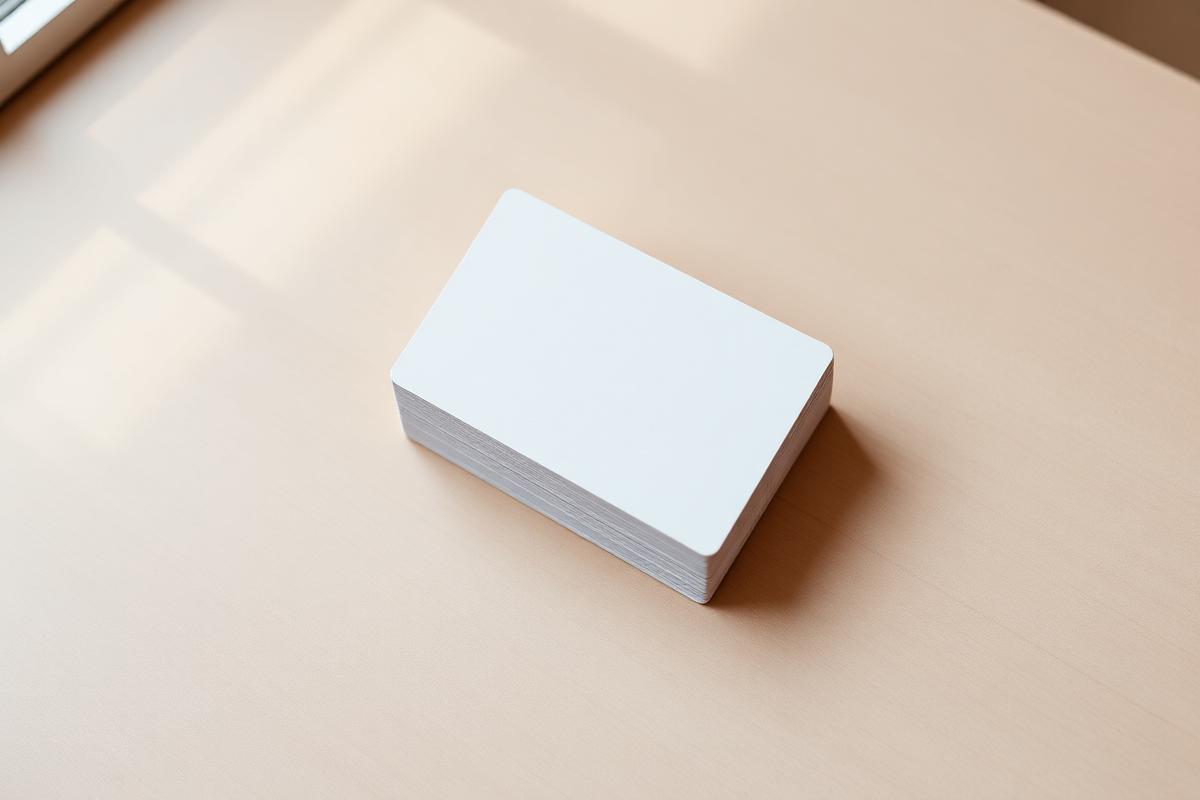
A business card is often the first physical touchpoint a potential client has with your brand. While digital connections are paramount, a well-designed business card remains a valuable tool for initiating and solidifying professional relationships. The goal isn't just to exchange contact information, but to leave a lasting positive impression that encourages follow-up and remembrance.
Many business cards quickly find their way into a desk drawer or the recycling bin. This outcome is often preventable with thoughtful design choices. This article will explore practical considerations for layout, durable paper stocks, and impactful finishing options that elevate a business card from a disposable item to a memorable brand artifact.
Strategic Layout: Prioritizing Clarity and Brand Identity
The primary function of a business card is to convey essential contact information clearly and efficiently. Clutter and excessive design elements hinder this. Prioritize readability. Your name, title, company name, phone number, email address, and website should be immediately identifiable. Resist the urge to include every social media handle unless they are primary professional contact points.
Consider a minimalist approach for maximum impact. White space is not empty space; it allows crucial information to breathe and improves visual hierarchy. Use a consistent brand font and color palette. This reinforces brand recognition and lends a professional appearance. If your logo is complex, ensure it's legible at a small size. A simple, well-placed logo is more effective than a large, distorted one.
Paper Stock: The Foundation of First Impressions
The tactile feel of a business card significantly influences perception. A flimsy, lightweight card suggests a lack of attention to detail or perceived value. Opt for a substantial paper stock. A common professional standard is 14pt or 16pt cardstock. For a more premium feel, consider 18pt or even 32pt uncoated or layered stocks. These heavier options convey quality and durability, making the card feel more significant in hand.
Beyond weight, consider the paper's texture and finish. Uncoated stocks offer a classic, sophisticated, and often more natural feel, and they are excellent for writing notes. Coated stocks, like gloss or matte, can make colors appear more vibrant and offer some protection against wear. Think about what aligns with your brand. A creative agency might lean towards a unique texture, while a legal firm might prefer a clean, smooth matte finish.
Finishing Touches: Enhancing Durability and Appeal
Finishing options can transform a standard card into something distinctive. Laminating adds a protective layer, extending the card's life and altering its feel. Matte lamination provides a smooth, non-reflective surface, often enhancing colors subtly. Gloss lamination creates a shiny, vibrant appearance, suitable for brands that want to convey energy or use bold graphics. Soft-touch lamination offers a unique, velvety texture that is pleasant to hold and leaves a memorable impression.
Beyond lamination, consider specialty finishes. Spot UV varnish applies a glossy, raised coating to specific areas of a matte card, highlighting a logo or text. This contrast creates a sophisticated visual and tactile effect. Embossing or debossing can add a three-dimensional element, pushing design elements up or pressing them down into the cardstock. These elevated finishes communicate a commitment to quality and attention to detail, making your card stand out from a stack of competitors.
Practical Considerations: Shape, Size, and Information Density
While standard business card size (3.5 x 2 inches) is common, variations exist. Die-cut cards, which can be custom-cut into unique shapes, offer a memorable differentiator but may not fit easily into standard cardholders. Weigh the impact against the practicality for your target audience. Rounded corners are a subtle modification that can soften a card's appearance and prevent fraying over time, making it feel more refined.
Double-sided printing is an efficient way to maximize space without cluttering the front with excessive information. One side can feature your logo and primary contact details, while the reverse can include a QR code linking to your portfolio, social media, or a short value proposition. Ensure all text is legible and that the information presented serves a clear purpose. Avoid overcrowding; less is often more when aiming for impact and memorability.
Durability and Longevity: The PVC Card Option
For applications requiring exceptional durability and longevity, PVC (plastic) cards are an excellent choice. Unlike paper cards, PVC cards are waterproof, tear-resistant, and significantly more robust, making them suitable for environments where exposure to wear and tear is high. They also convey a premium, modern aesthetic due to their rigid feel and smooth finish.
PVC cards can accommodate various technologies, including magnetic stripes, barcodes, and NFC chips. If you need a card that functions beyond mere contact information exchange—such as an access card, loyalty card, or a card with embedded digital capabilities—PVC is the practical solution. Odd Jobs Media offers a range of PVC/NFC card printing options, providing a robust and technologically advanced alternative to traditional paper business cards for specific business needs.
Frequently asked questions
- What is the best paper thickness for a business card?
- For a professional feel, 14pt or 16pt cardstock is a good standard. If you want a more luxurious or durable card, consider 18pt or even 32pt stocks. The increased thickness provides a better tactile experience and conveys higher quality.
- Should I use a matte or gloss finish for my business card?
- The choice between matte and gloss depends on your brand's aesthetic. Matte finishes offer a sophisticated, non-reflective look and are good for readability and taking notes. Gloss finishes make colors pop and can suggest vibrancy. Both protect the card from wear.
- Are rounded corners on business cards worth it?
- Rounded corners are a subtle but effective way to enhance a business card. They prevent dog-earing and fraying, making the card appear better maintained over time. They also provide a softer, more modern aesthetic compared to sharp, square corners.
- When should I consider a PVC business card instead of paper?
- PVC business cards are ideal when durability is paramount, such as for outdoor use or high-traffic environments. They are also suitable if you need to incorporate technology like NFC chips, magnetic stripes, or want a card that performs a function beyond just contact information, like an access or loyalty card.